




Residential Energy Storage -------- Green Home Energy Solutions
1. Basic Concepts of Residential Energy Storage Systems
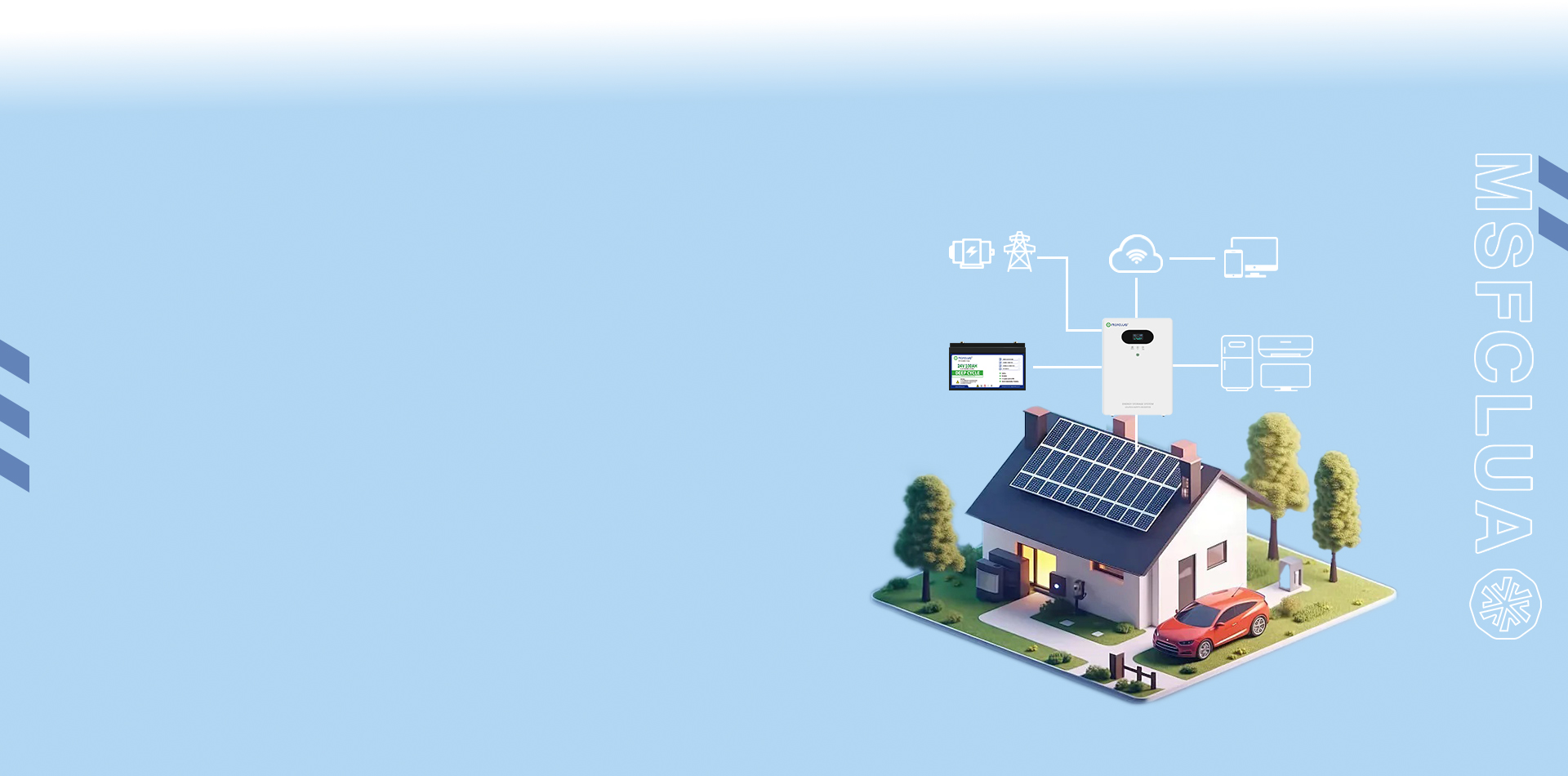
As the name suggests, a residential energy storage system is a type of energy storage device used in a home environment. The system can store excess electricity generated in the house or purchased from the grid at low cost and release it when needed to meet the daily electricity demand of the house. Typically, a residential energy storage system consists of a battery pack, inverter, charging device, etc. and can be integrated with a smart home system for automated management.
2. Benefits of Residential Energy Storage Systems
Energy Savings and Emissions Reduction: Residential energy storage systems reduce reliance on conventional energy sources by storing excess electricity and reducing demand on the grid. This helps to reduce carbon emissions, protect the environment and promote sustainable living.
Self-sufficiency: Residential energy storage systems enable a home to achieve a level of energy self-sufficiency that reduces reliance on the grid. This enhances the home's energy independence and its ability to effectively handle energy crises.
Lower Electricity Bills: Residential energy storage systems allow households to purchase electricity during off-peak hours and use the stored electricity during peak hours. This practice helps lower electricity bills and saves families money.
Emergency Backup: In the event of a grid outage, a residential energy storage system can provide backup power to ensure that critical equipment (e.g., lighting, communications equipment, medical equipment, etc.) is up and running. This improves the safety and convenience of your home.
Optimized Energy Management: Residential energy storage systems are equipped with an energy management system that monitors and controls the home's energy use. It intelligently manages and optimizes power according to demand and price, thereby increasing energy efficiency.
Supporting the energy network: When connected to a server via the Internet, a residential energy storage system can provide short-term services to the energy network, such as relieving demand pressure during peak hours and providing frequency correction. This helps to balance the load on the energy network and enhance its stability and reliability.
Overcoming Grid Losses: Transmission losses within the grid make it inefficient to transport power from power stations to densely populated areas. Residential energy storage systems enable local consumption to be generated mostly on-site, thus reducing the need for grid transportation and improving overall efficiency.
3. How to use a residential energy storage system
Using a residential energy storage system is relatively simple and user-friendly. The following instructions provide a detailed guide to its use to help you better understand and operate the system:
1. Accessing and charging the access power supply:
(1) Connect the Energy Storage Cabinet to the power source, ensuring a proper and stable connection.
(2) For solar-based energy storage systems, make sure that the solar panels are properly connected to the storage cabinet and that the panels are kept clean for effective charging.
Initiate charging:
(1) The cabinet will start charging until the battery module storage reaches full charge. It is important to avoid overcharging during this process to maintain battery life.
(2) If the system has intelligent charge management, it will automatically adjust the charging strategy based on power demand and power prices to optimize energy usage.
2. Power and managing power:
(1) When power is needed, the Energy Storage Cabinet will convert power to AC power through an inverter and distribute it to household appliances through an output port.
(2) During power periods, care should be taken in the use and distribution of power to prevent individual devices from consuming too much power, which could result in the Energy Storage System not being able to meet the power demand.
Power management:
(1) Residential energy storage systems are typically equipped with an energy management system that monitors and controls home energy consumption.
(2) The system can intelligently manage and optimize power supply based on demand and price. For example, it can purchase power during off-peak hours and utilize stored power during peak hours to reduce power costs.
3. Predictions and Maintenance
Preventive Measures:
(1) Use the Energy Storage Cabinet within the specified ambient temperature range to prevent overheating or overcooling.
(2) In the event of any malfunction, abnormality or safety issue, stop using the unit immediately and contact the after-sales service department.
(3) Avoid unauthorized repairs and modifications to prevent safety hazards.
Maintenance:
(1) Clean the external surface of the Energy Storage Cabinet regularly and wipe it with a soft cloth.
(2) If the Energy Storage Cabinet is not to be used for an extended period of time, disconnect it from the power source and store it in a dry, well-ventilated location.
(3) Follow the manufacturer's maintenance guidelines for routine inspection and maintenance to ensure proper operation and extend the life of the system.
4. Advanced Features and Applications
Battery discharge strategy based on load prioritization:
Prioritization: Load requirements are met first, then storage batteries, and finally grid power. This ensures that renewable energy sources and storage batteries are utilized first to meet household power needs during low power periods.
Strategy based on energy prioritization:
After supplying power to the load, excess PV generation is used to charge the storage battery. Only when the battery is fully charged and the remaining PV power is retained is it connected or sold to the grid. This optimizes energy use and maximizes economic benefits.
In summary, as a new residential energy solution, residential energy storage systems offer a variety of benefits such as energy savings, reduced emissions, self-sufficiency, power reduction, emergency backup, optimal energy management, support for the energy grid, overcoming grid losses, and improved energy quality. With continuous technological advancement and cost reduction, residential energy storage systems will be more widely adopted and promoted in the future, which makes a significant contribution to the sustainable development and green lifestyle of mankind.
IV. MSFCLUA Energy Storage Residential Storage Product Proposal
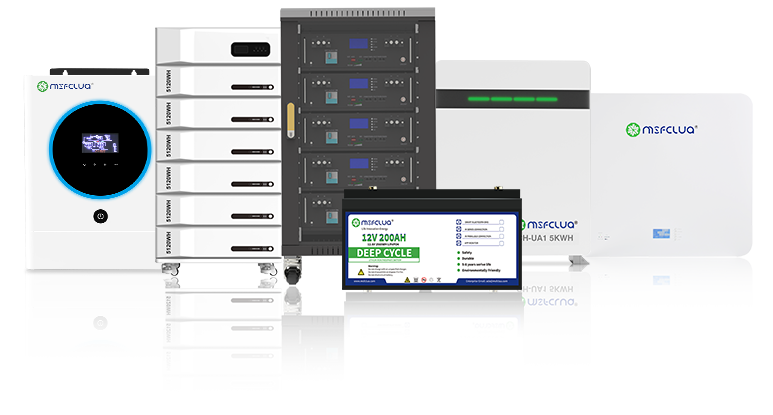
In today's era of pursuing green and efficient living, the MSFCLUA residential energy storage system has become an ideal choice for more and more households due to its outstanding performance and thoughtful design. The product not only integrates many advanced technologies, but also focuses on the user experience to make home energy management simpler and more convenient.
First, the MSFCLUA residential energy storage system is easy to install with its integrated design. By integrating components and simplifying wiring, users can easily set up the system without complicated configurations or other equipment. This design not only saves installation time and costs, but also improves the overall stability and reliability of the system.
Secondly, the product features a user-friendly Web/application program interface that provides a seamless user experience. The interface is rich in content, including real-time energy consumption, historical data and system status updates, allowing users to monitor their home energy usage. In addition, users can remotely control and monitor the system through the app or an optional remote control device for easy management.
The MSFCLUA residential energy storage system specializes in long charging and battery life. It is equipped with a fast-charging feature that quickly replenishes energy storage to meet a home's electrical needs during peak energy demand or when grid access is unavailable for an extended period of time. The longer battery life ensures long-lasting and stable operation of the system, thus providing reliable power protection for the user.
In terms of safety, MSFCLUA residential energy storage systems are reliable. They integrate an intelligent temperature control mechanism to ensure optimal system operation. By actively monitoring and regulating the temperature, it prevents overheating or extreme cooling, thus ensuring stable system operation. Various safety and fire protection features (such as overcurrent protection, overvoltage protection and short-circuit protection) are also integrated to mitigate potential risks and ensure home safety.
Regarding design, MSFCLUA residential energy storage systems take into account the aesthetics and practicality of modern homes. Their simple, sleek design allows for seamless integration into any home environment and blends harmoniously with modern interior styles while adding visual delight to living spaces.
Finally, the MSFCLUA residential energy storage system offers compatibility with a wide range of operating modes and multifunctional features. Users can choose different operating modes, such as grid-connected or off-grid, depending on their specific energy needs. This flexibility allows users to customize the system according to their energy preferences and requirements, thus enabling more personalized energy management.
All in all, the MSFCLUA residential energy storage system is well suited for home energy management due to its all-in-one design, user-friendly interface, fast charging and long battery life, intelligent temperature control, and minimalist design that will seamlessly integrate into modern homes. If you are looking for an efficient, safe and easy-to-use residential energy storage system, then the “MSFCLUA New Energy Storage System, Creating New Energy for Life” is a better choice for you.
0


